
The Alpilles Mountains, Provence Return to Beautiful
By Heather Robinson, Travel Writer in Provence, Lost in Arles
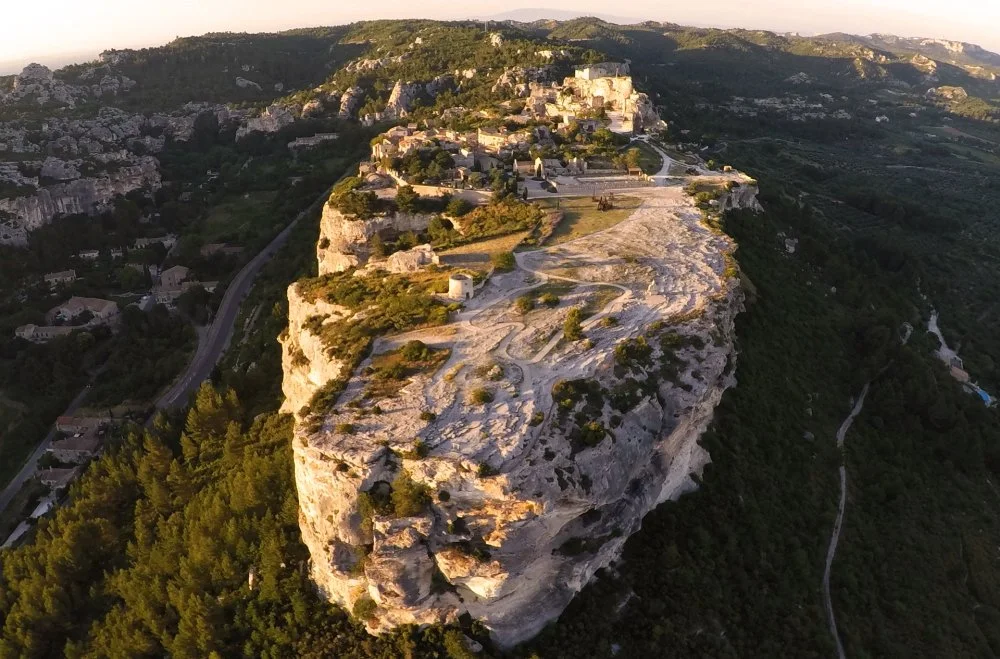
We are crossing the Hell Valley, its twisted landscape rising up around us like a mythological monster lying in wait. It has been said that these strange surroundings inspired Dante’s description of “Inferno”, but we are experiencing a modern purgatory as we slowly inch our way forward, part of a long line of traffic snaking its way up the incline towards Les Baux-de-Provence.
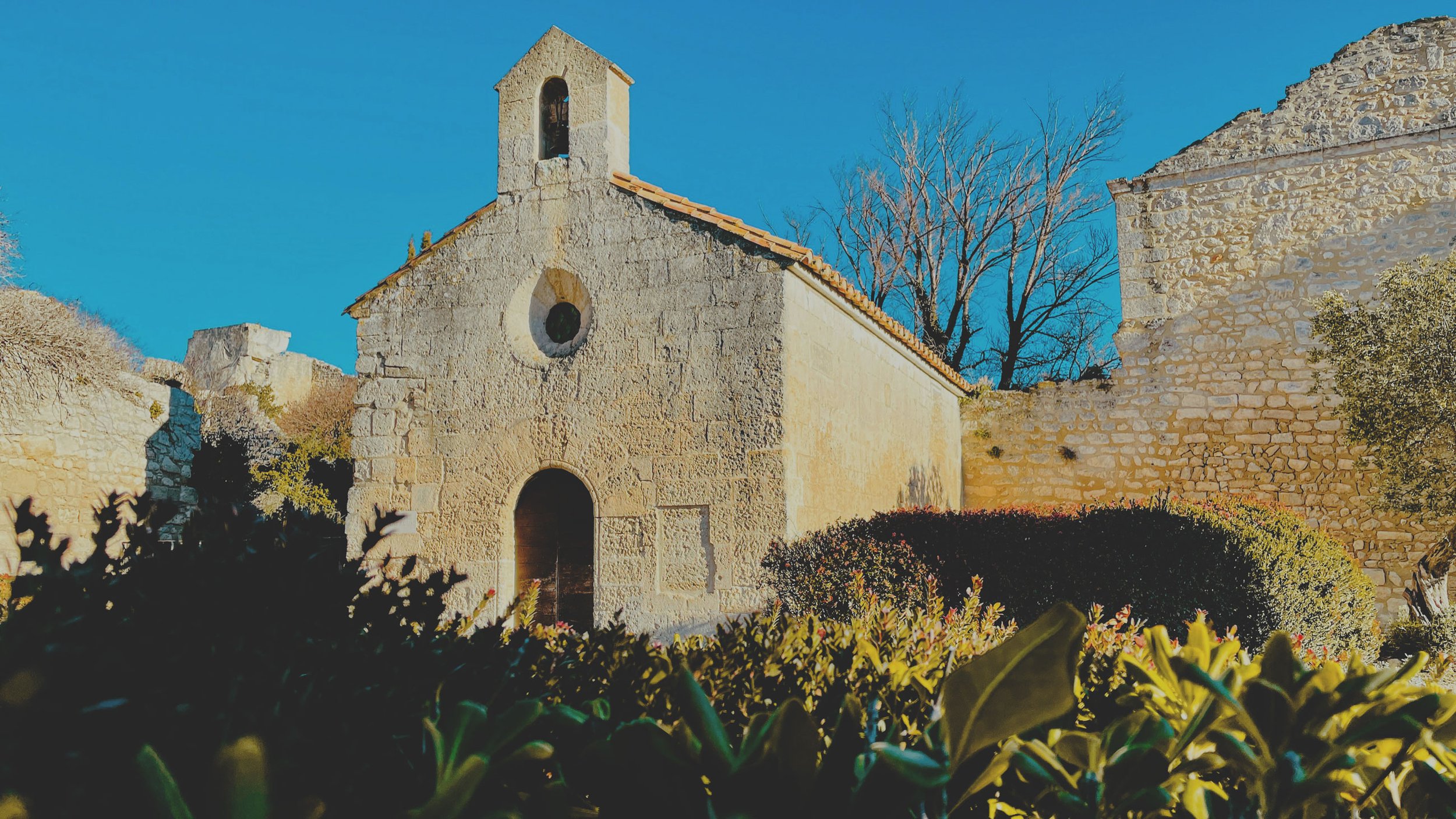
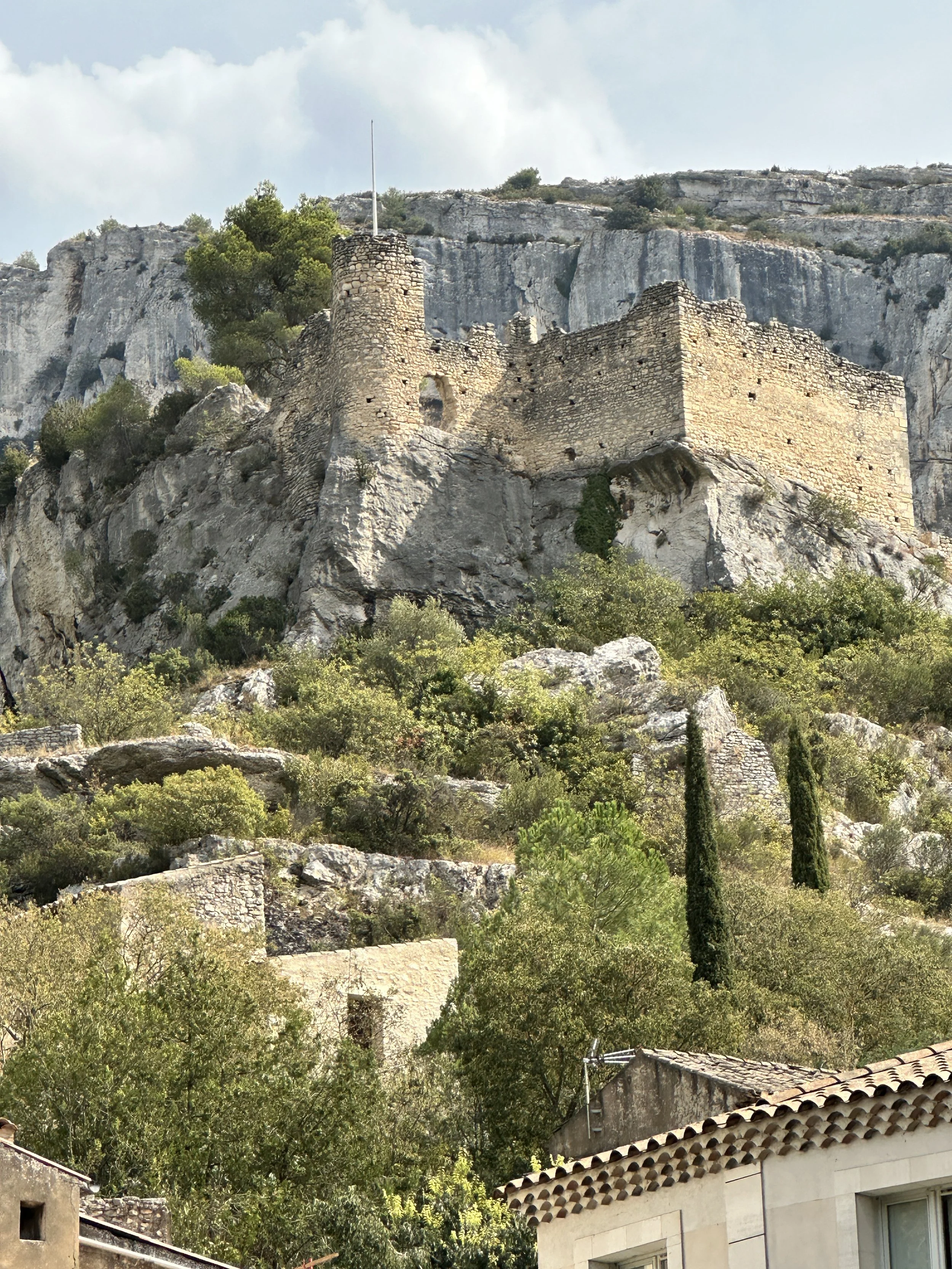
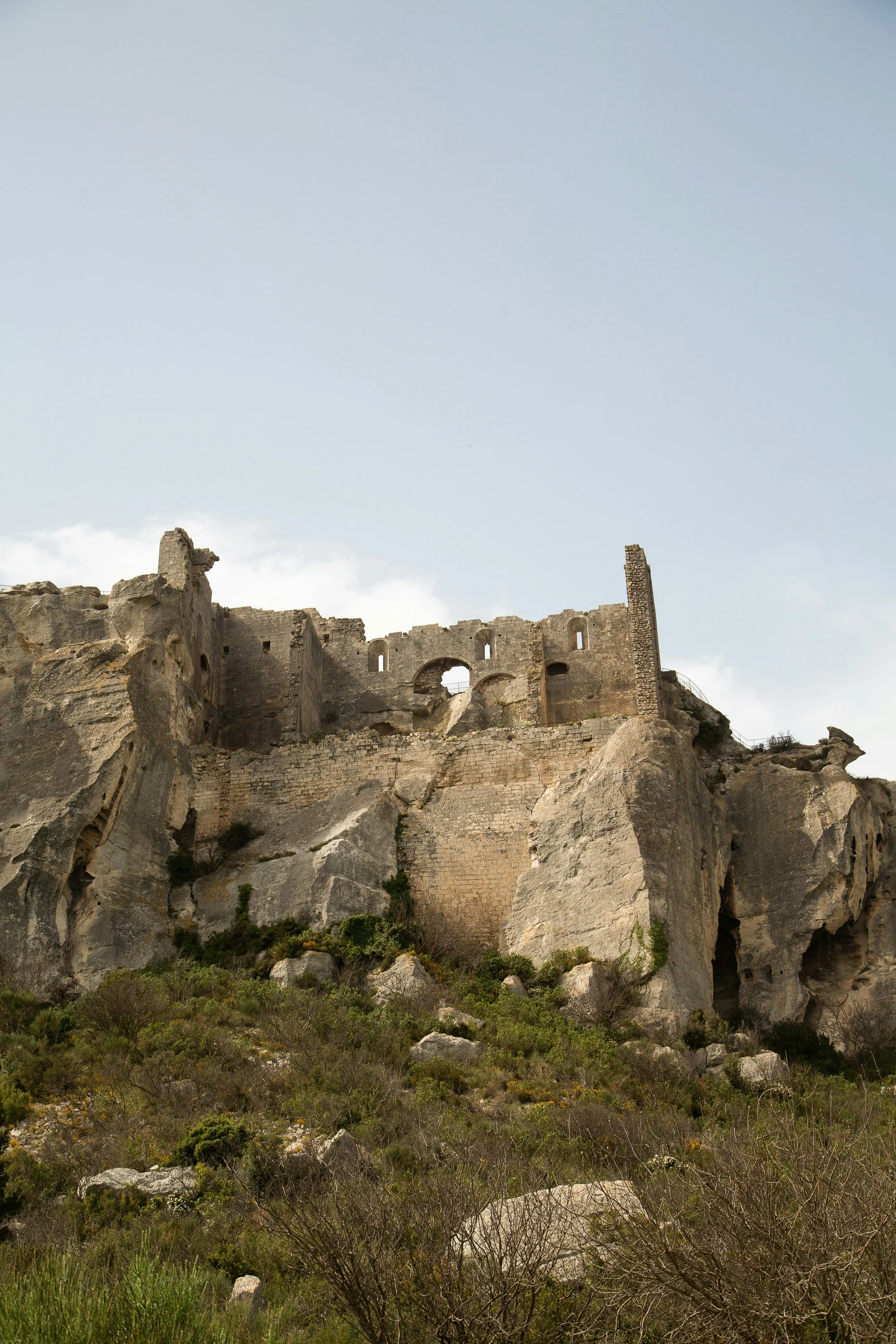
Famed as the former home to the Seigneurs des Baux, a clan of fierce warriors that ruled over the area in the Middle Ages, the site, with its ruined castle and picturesque village, remains one of the most visited in France, attracting over one million visitors a year. Only a third of them make the trek up to the top of the chateau. What of the others?
We find them gathered at the stone railing that looks out onto the limestone cliffs surrounding them. Their idle chatter falls silent; the expression on their faces speaks for themselves. This, finally, is the real reason why they have come, to reconnect with a nature magnificent enough to expand the heart and the mind, the fantasy of Provence made manifest.
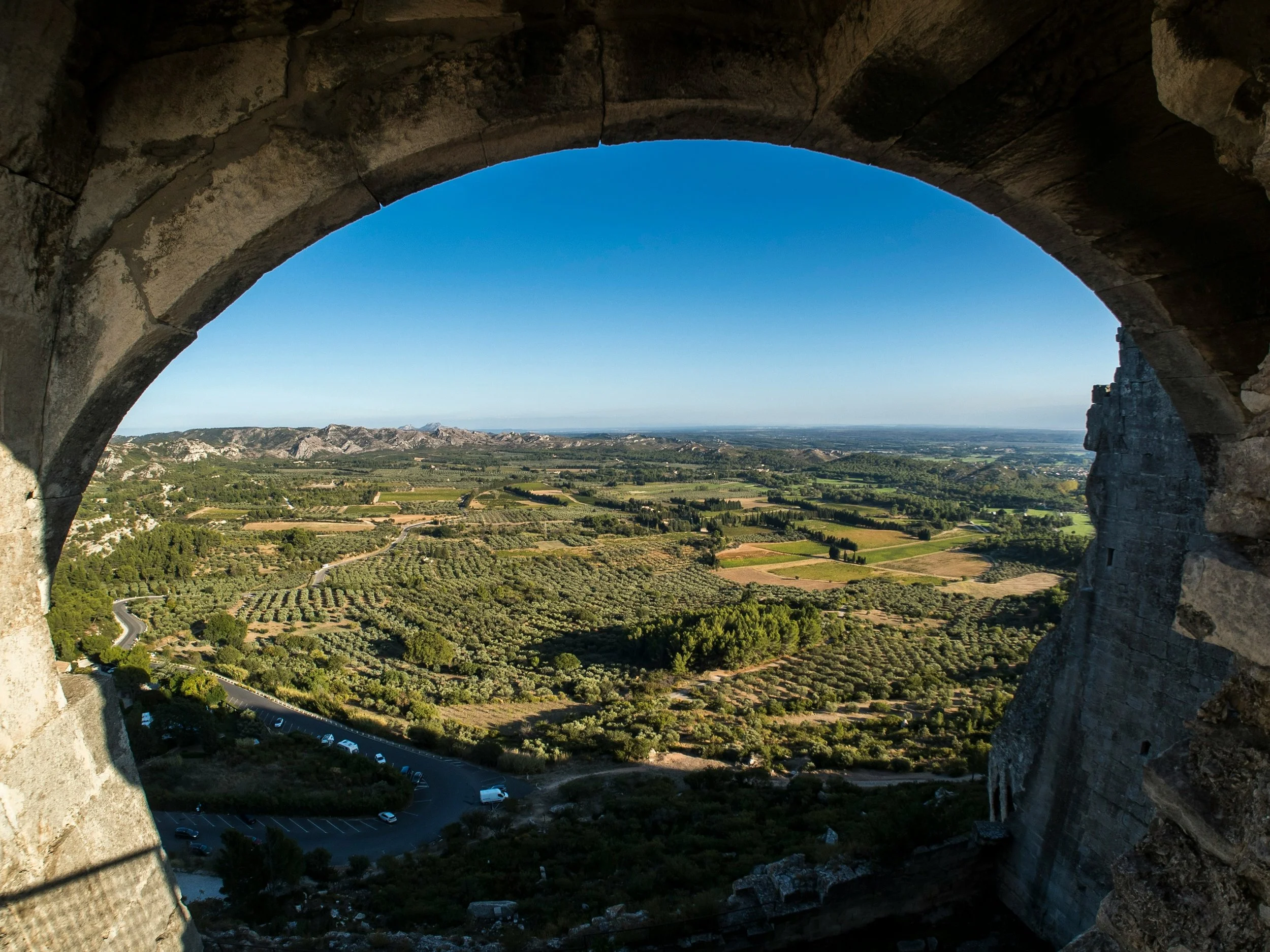
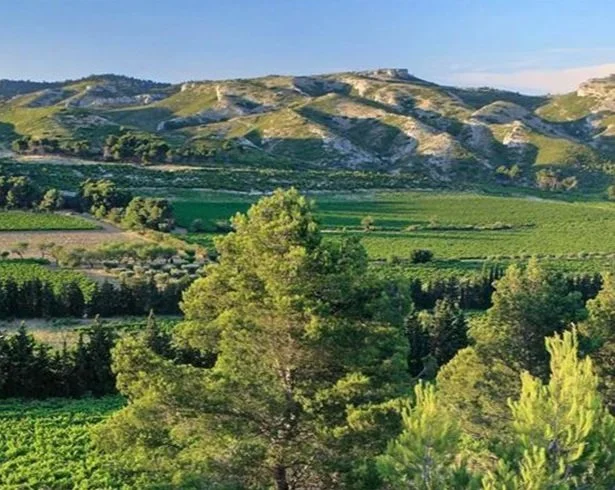
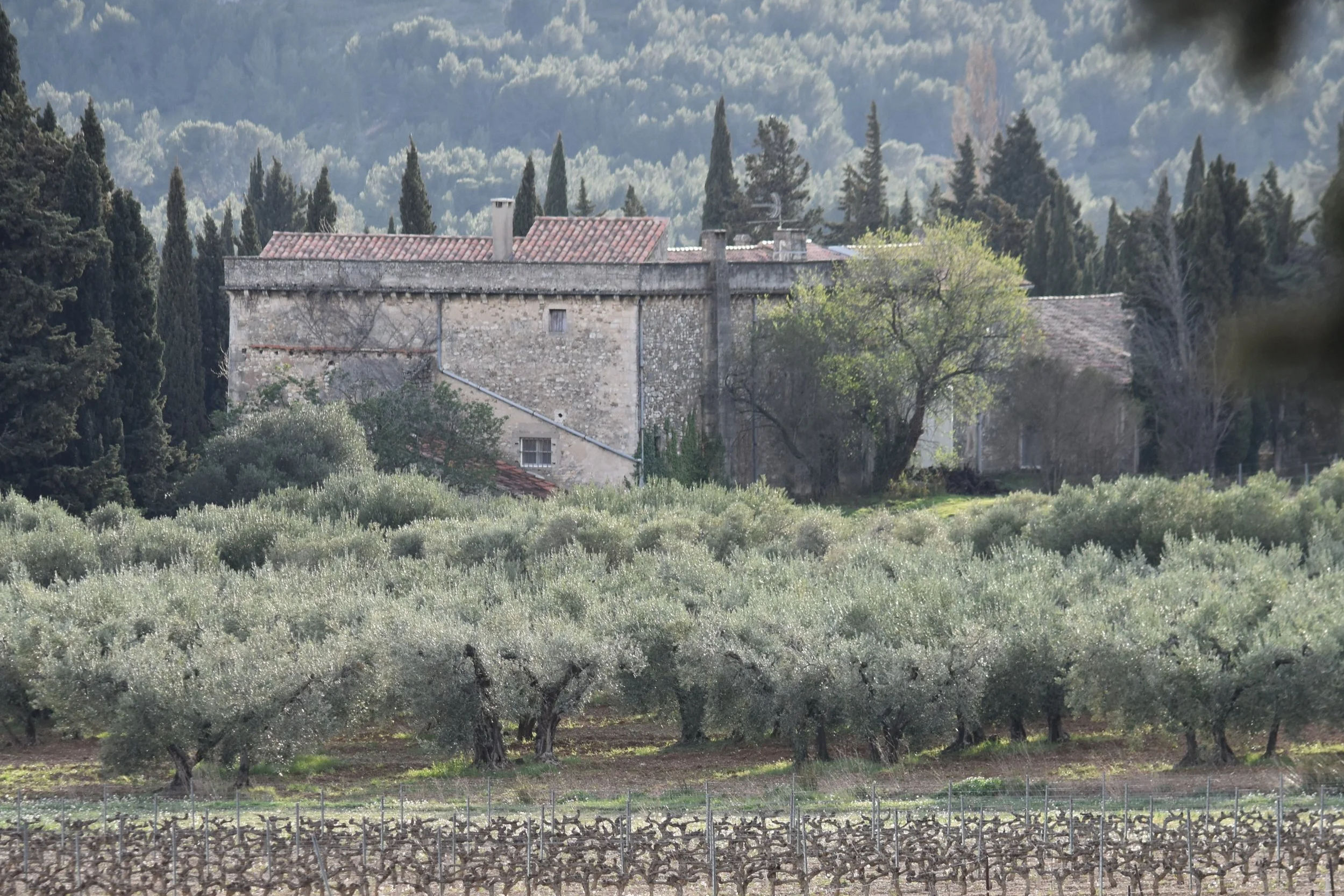
And yet Les Baux is simply a dot on the map of the nineteen mile-long Alpilles Mountains--an extension of the Luberon Range to the east, bordered by the Camargue to the South and hemmed in by the Durance and Rhone Rivers. These “little Alps” have been heralded as a promised land from as early as 6000 BC. Ligurian tribes later took shelter from the mosquito-infested lowlands in its many caves. They were followed by the Romans in 121 BC, whose soldiers were rewarded pieces of “Provincia Romana” as a particularly rewarding retirement plan.
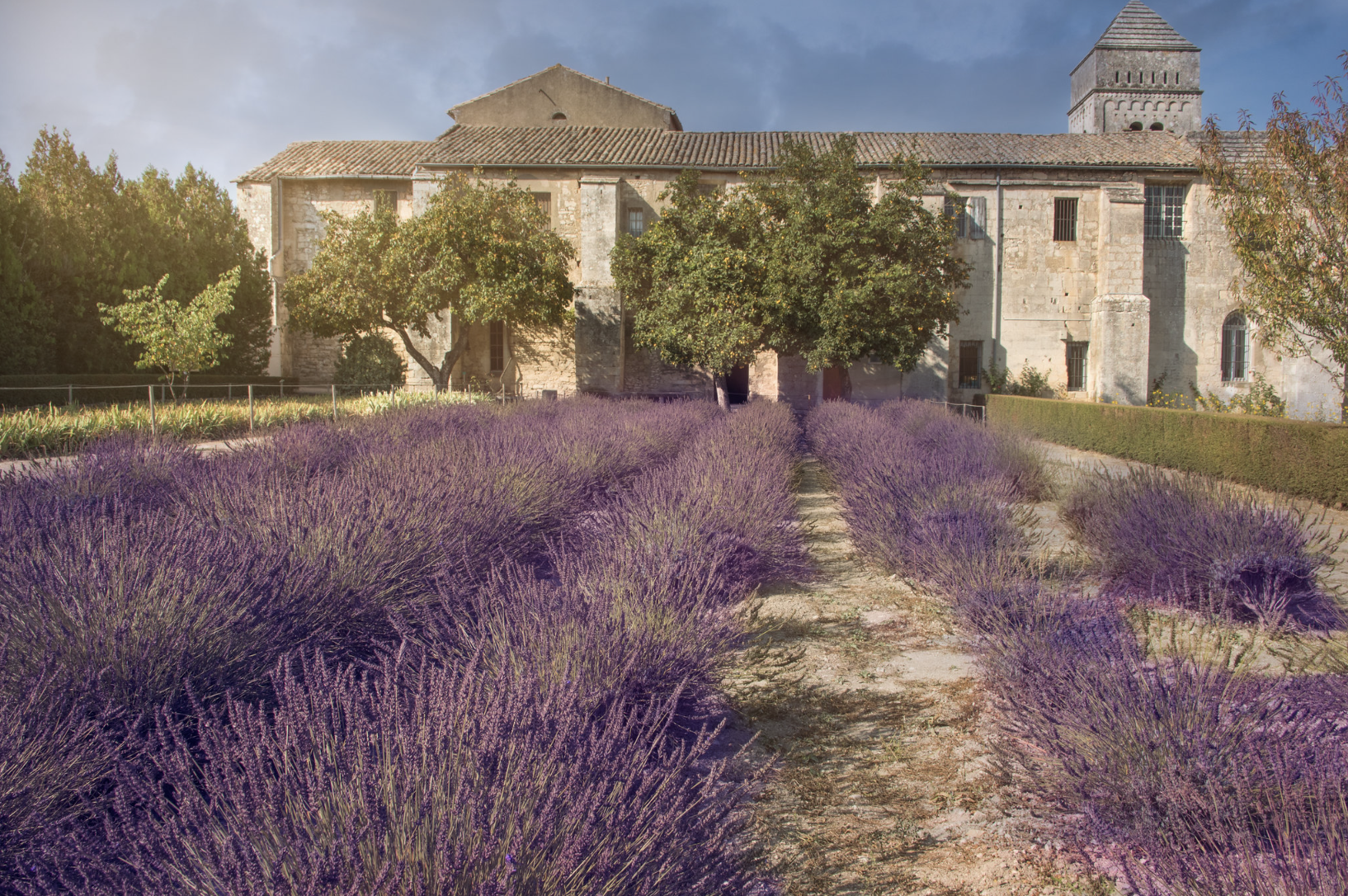
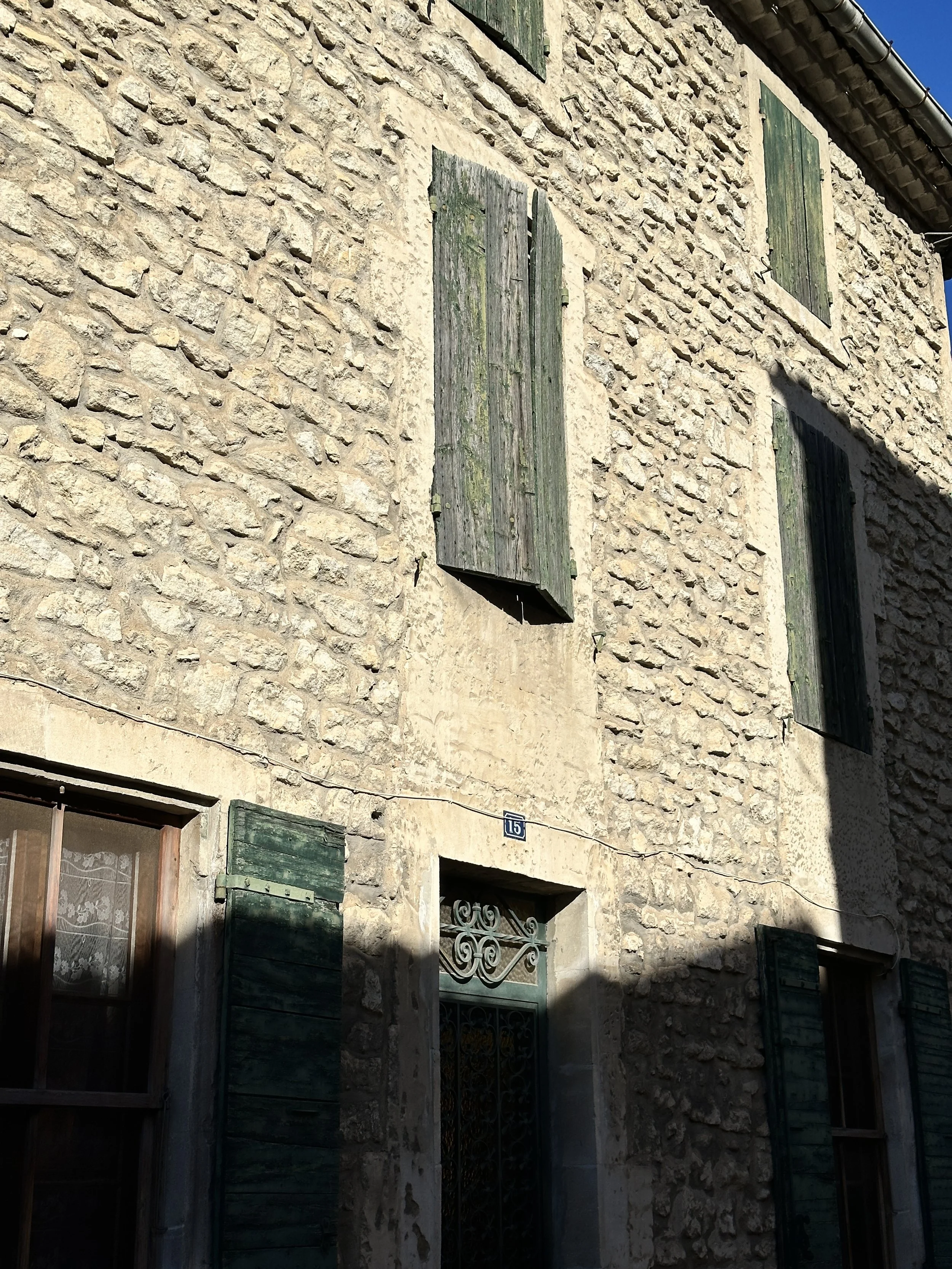
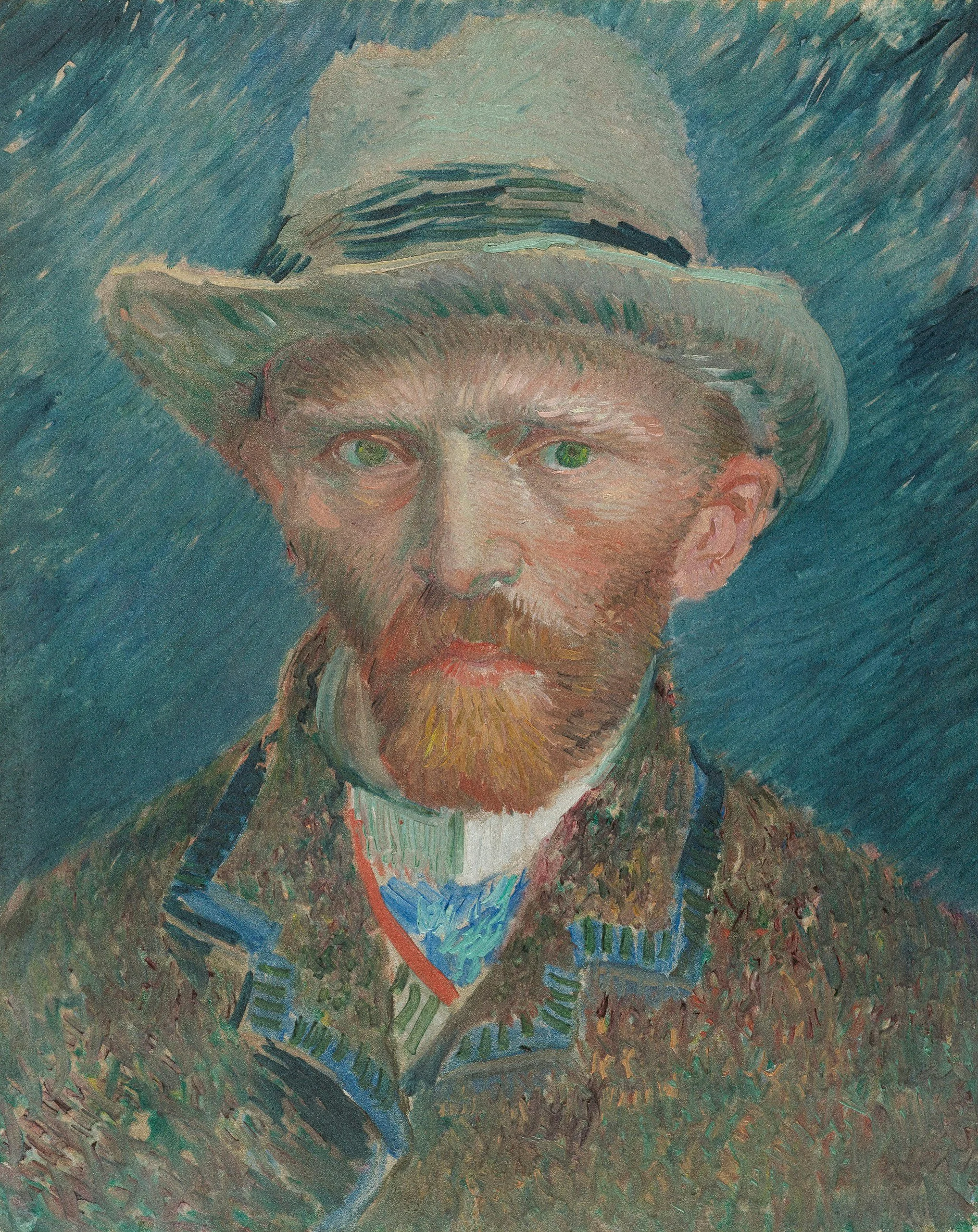
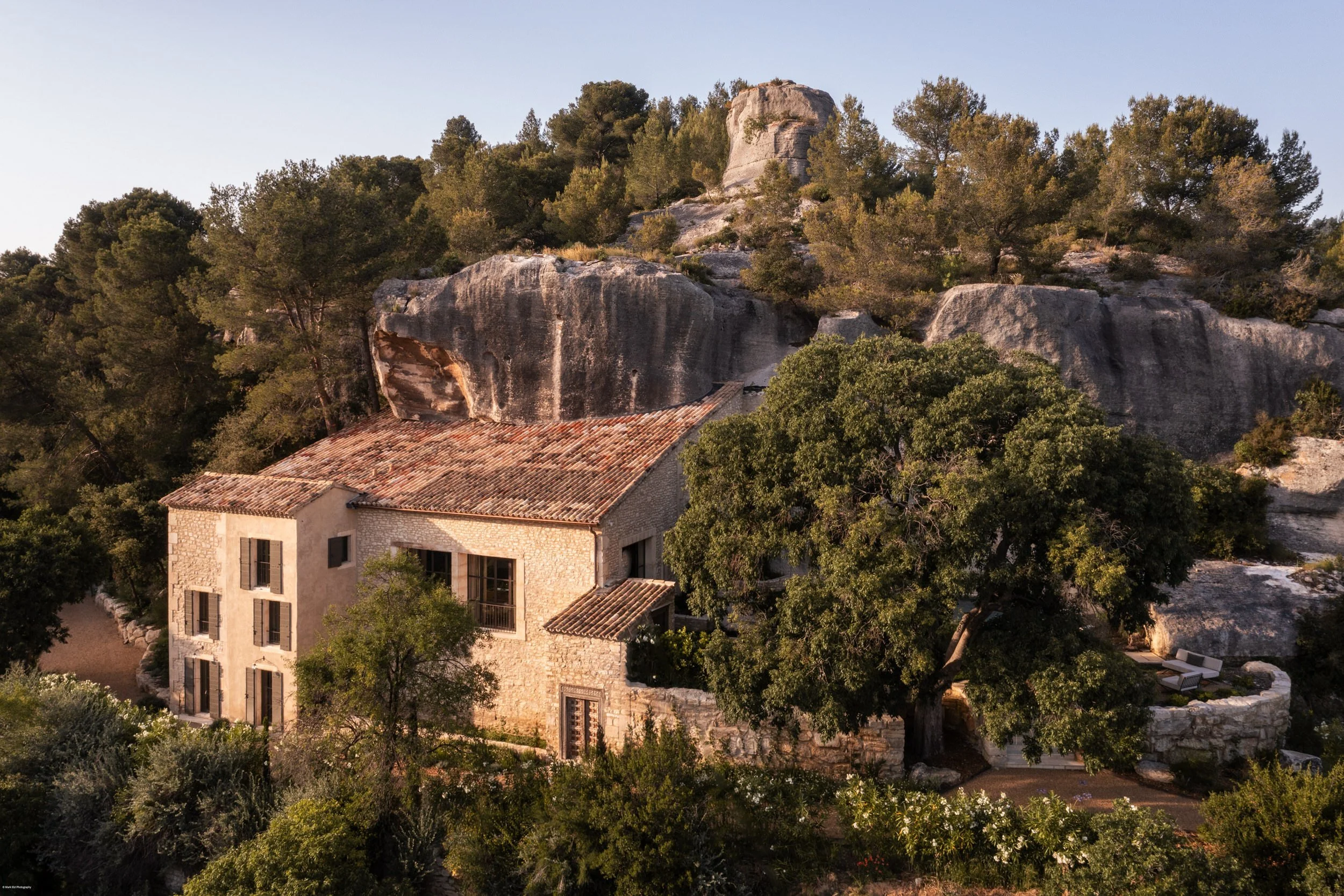
At the end of the last century, the area was celebrated by artists such as Nobel-Prize winning poet Frederic Mistral, Alphonse Daudet and of course, Vincent Van Gogh. Admittedly inspired by the “unique” light and “grass burnt like gold”, he created many of his greatest masterpieces while staying at the monastery of St. Paul de Mausole outside of St. Remy and they remain one of the greatest invitations to discover Provence.
On Time’s Trail
We have turned our backs on the castle of Les Baux. At the base of the opposite valley, not 500 yards from the main road, lies a secret unmarked path. It is barely discernible between two low sweeping Mediterranean pines, but once we push past them, it is as if we are closing the door behind us on any sense of modernity. Who took the time all those years ago to carve this well-worn trail out of the sheer rock? The Seigneurs? The Romans? It leads us beyond the sapphire shade of the rustling trees and into a blinding blaze of light that skips between the white limestone boulders as if we were inside a diamond.
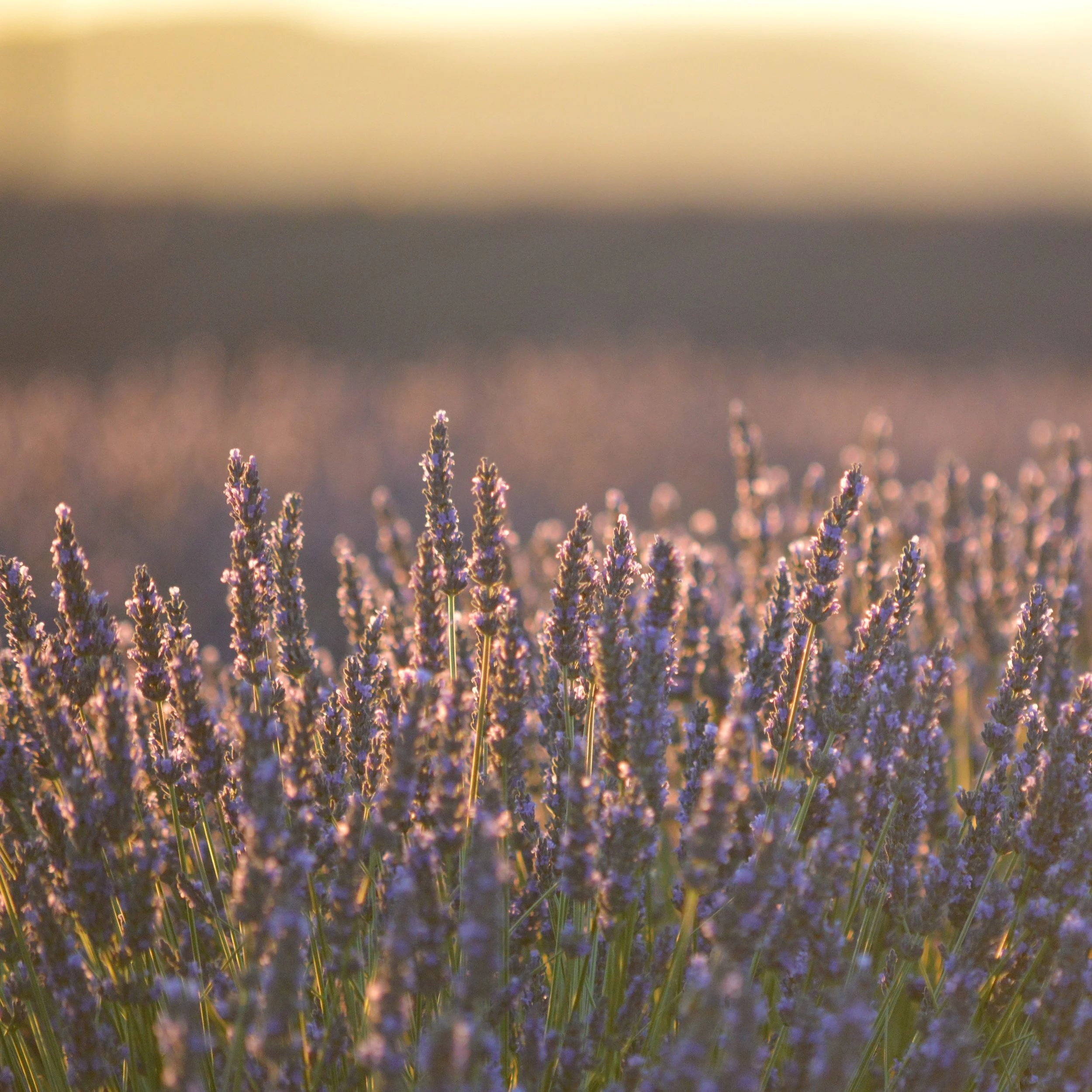
“The sun makes me sing,” was Frederic Mistral’s favorite expression. Perhaps it is its warmth that lifts us up and out of ourselves, but it also might be the scent of rosemary, thyme and lavandin floating out of the garrigue, turning our walk into one long aromatherapy treatment.
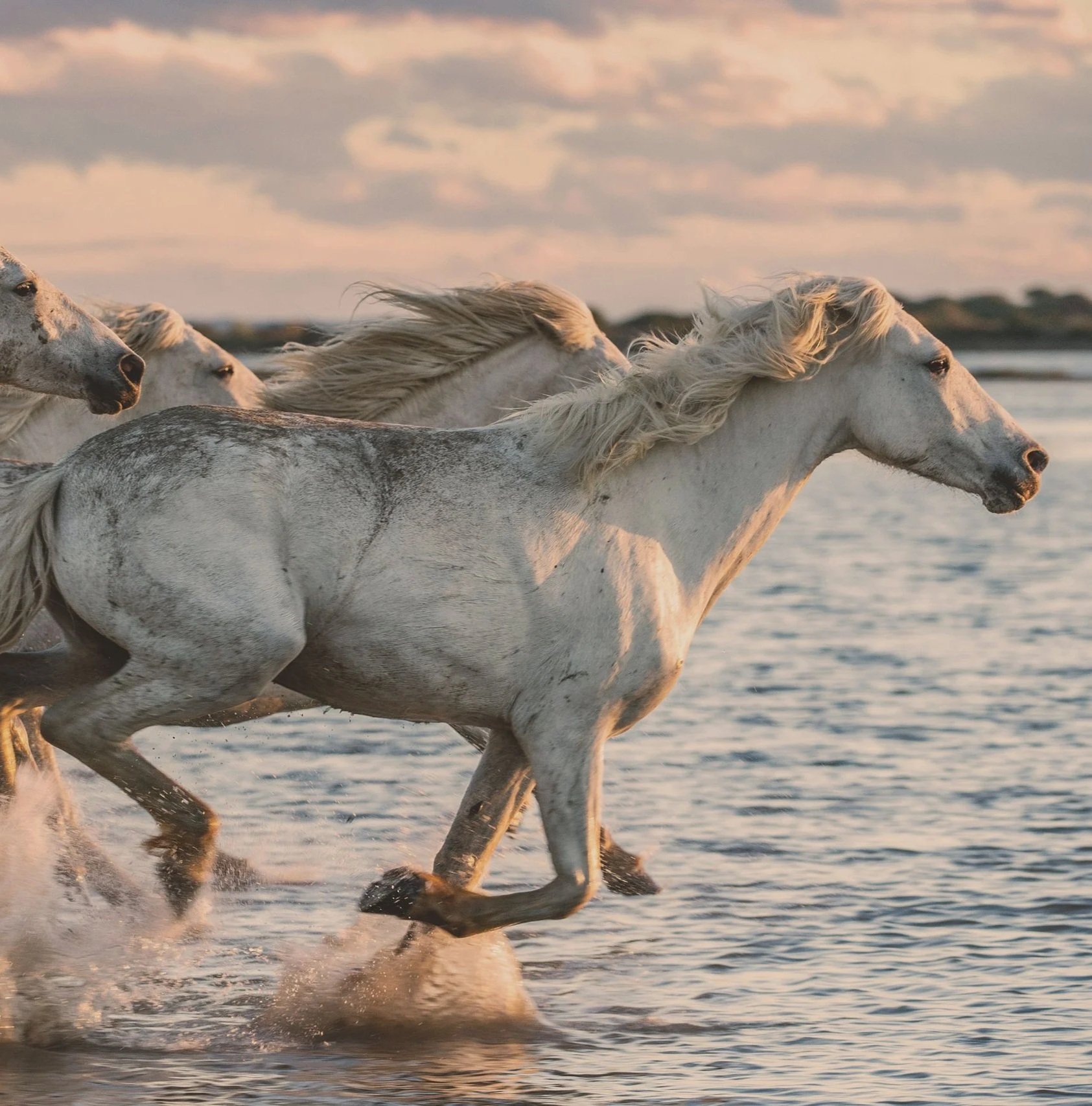
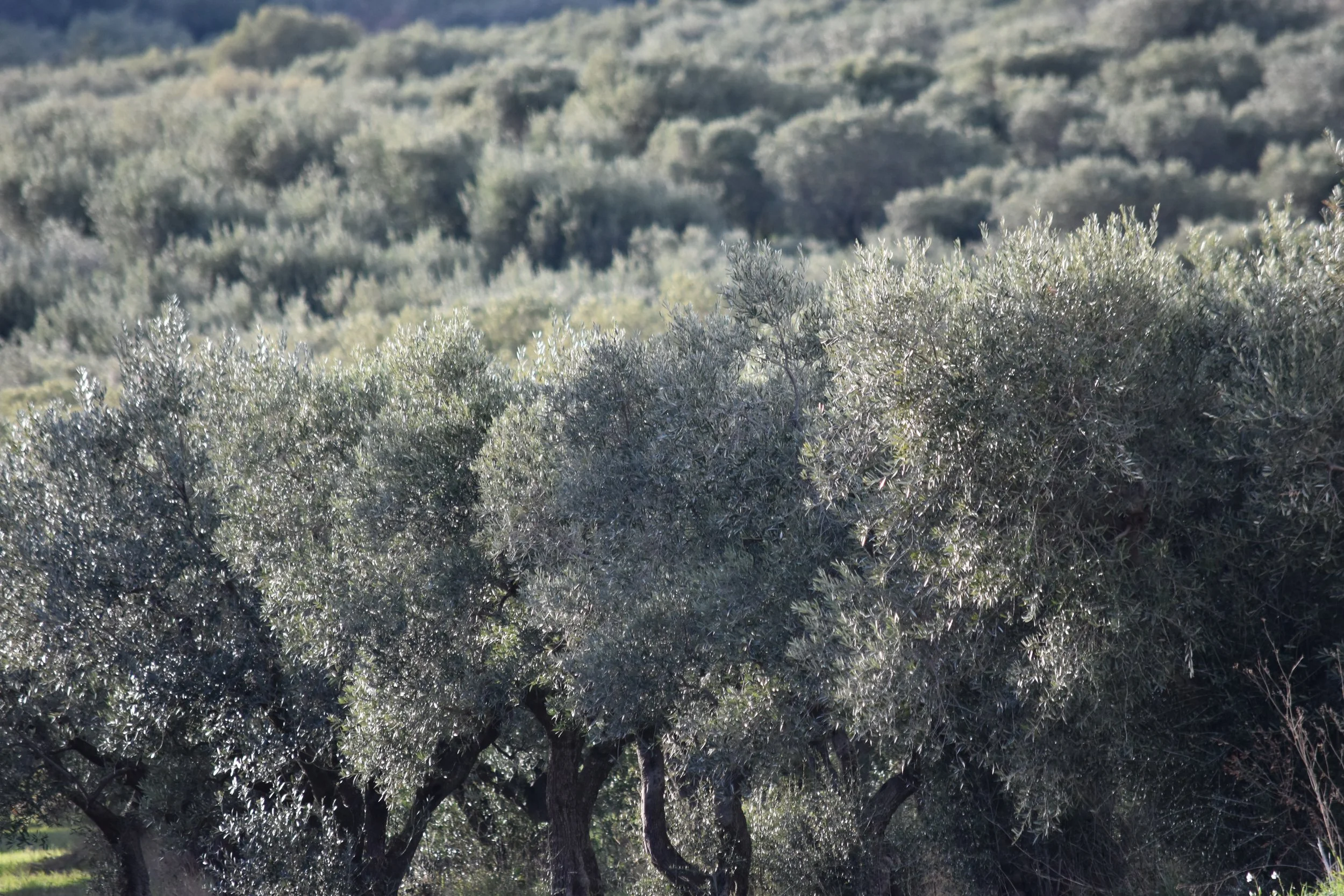
There are many small surprises to be discovered in the hills: a delicate yellow iris shooting out of a solid cliff-face, a Roman funeral stele enveloped by waist-high brush, the flutter of a falcons wings as he cuts up the sky. The mountains are not that high really, reaching just over 1600 feet at best, but as we continue along our mysterious stone path, we might be on the top of the world for all of the freedom that it affords us. Left to stumble after the descending sun, we can’t help but wonder if, now that the area is a regional park, will it become as famous as it deserves to be? Or once was, depending on how you look at it. No matter.
As Mistral wrote in Les Olivades: “…For me, upon the sea of history, thou wast, Provence, a pure symbol, a mirage of glory and victory, that in the dusky flight of centuries, grants us a gleam of the Beautiful.”
Text® Heather Robinson
Contact Heather at: robinsonheather@yahoo.com. Or follow her on Instagram and via her blog, Lost In Arles
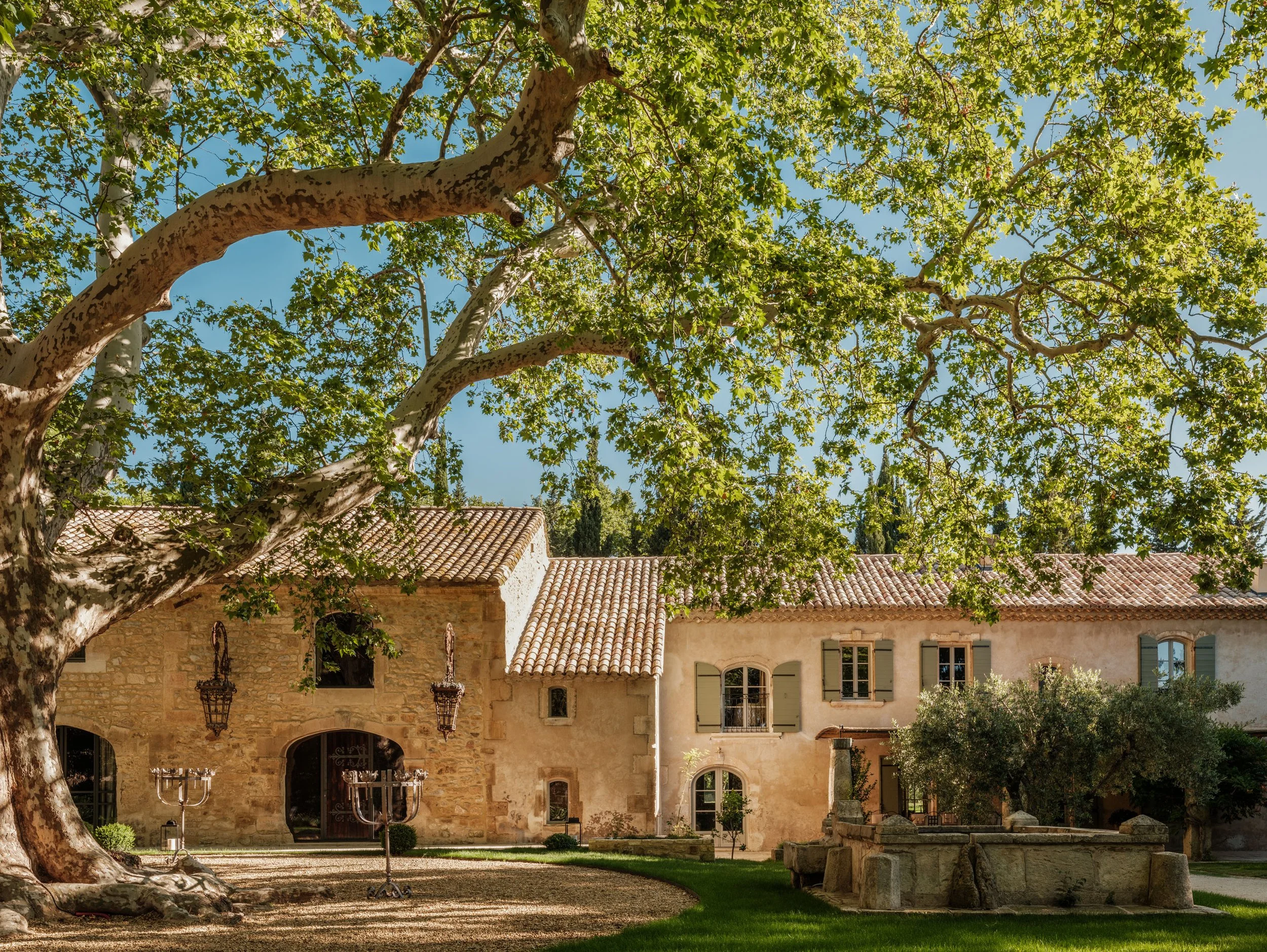
Join Us here this September in the heart of Les Alpilles… Sept 20-27, 2026 for a nature-inspired Luxe Provence Wellness Retreat.